Navigating Zoning Laws and Regulations for Mobile Homes in the USA Jul 09, 2026
The first step in understanding zoning laws for mobile homes is recognizing that they vary significantly between localities. The United States does not adhere to a single, unified set of regulations for mobile homes; instead, individual states, counties, and cities often implement their own rules, which can influence where and how mobile homes can be placed. It is essential for homeowners to consult their local zoning offices or review municipal codes to get specific details relevant to their area.
A common issue mobile home owners face is zoning classifications. Zoning laws often categorize land into different uses such as residential, agricultural, or commercial. Mobile homes typically need to be placed on land zoned for residential use, unless explicitly stated otherwise. However, some regions might have designated areas specifically for mobile or manufactured homes. It is essential to verify that the land you are considering is appropriately zoned and if any special permits are required.
Another critical aspect is understanding the difference between mobile homes and modular homes, as this can affect zoning requirements. Generally, mobile homes are built to federal HUD standards, while modular homes are constructed to the International Residential Code. This distinction can determine which areas allow specific types of homes and under what conditions, impacting everything from property taxes to park placement.
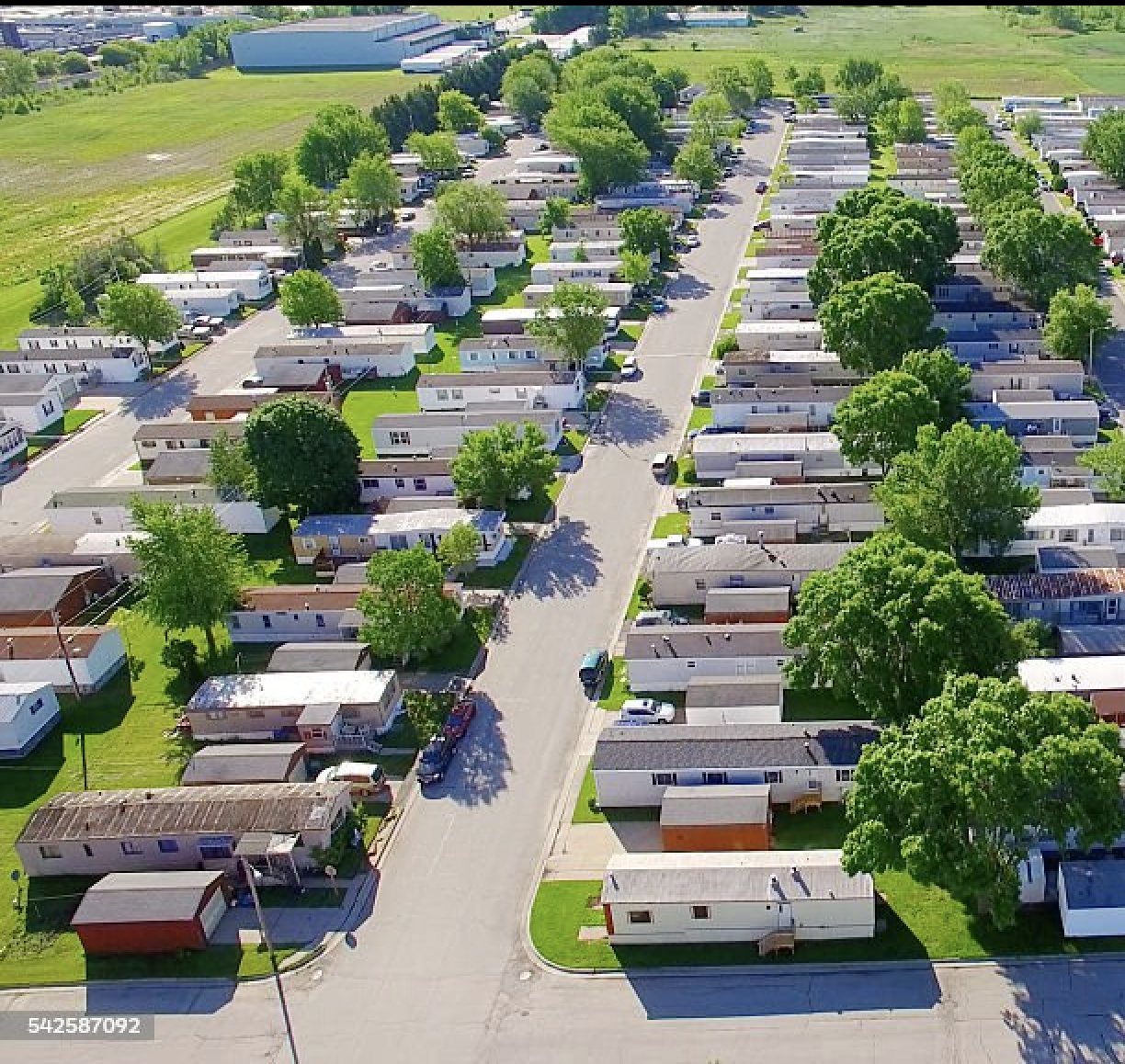
Mobile home parks offer another layer of complexity but also flexibility, often adhering exclusively to mobile homes. These parks usually operate under a specialized set of zoning laws that can simplify some regulatory hurdles. However, it is important to review park-specific rules, as they may have additional requirements regarding home age, maintenance standards, and occupancy limits.
Permitting is another crucial step in the process. Almost all localities require some form of permit to place a mobile home, and these can include site preparation permits, installation permits, and utility hookup permits, among others. Ensuring that all permits are secured not only promotes legality but also safety. Working with a reputable installer familiar with local regulations can streamline this process significantly.
It is also wise to consider future implications. For those considering placing a mobile home on family land or undeveloped plots, it is beneficial to look into potential zoning changes or land use plans in your area. Understanding how community plans may influence zoning laws can help safeguard your investment and the potential resale value of your property.
For many, hiring a professional well-versed in local land use laws can be an invaluable resource. Attorneys or consultants with expertise in real estate and land use can help decipher complex zoning language and advocate on your behalf if conflicts arise.
In conclusion, while zoning laws for mobile homes in the USA are complex, they are not insurmountable. By conducting thorough research, consulting with local zoning boards, and enlisting professional assistance when necessary, you can effectively navigate these regulations. USA Mobile Homes is committed to helping you through this journey, ensuring your mobile home experience is both legally compliant and rewarding. Understanding these laws not only facilitates a smoother installation process but secures the longevity and enjoyment of your mobile home investment.
/filters:no_upscale()/filters:format(webp)/media/5bbdfe15-6c4e-4ac0-abd1-b6d0194239ff.png)
/filters:no_upscale()/filters:format(webp)/media/97e279ba-0511-4319-b189-b3ed00037647.jpeg)